
- 30 Dec, 2025
-
 by Emily Rhodes
- Business Strategy , Consulting
- 0 Comments
Owe back taxes and worried about penalties? This clear, step-by-step guide shows how to file past-due returns, when penalties can be reduced or removed, payment options (installment plans, Offers in Compromise), and a safe workflow to protect refunds and minimize penalties. Includes forms, a sample reasonable-cause letter, and image guidance.
If you have unfiled tax returns, delaying usually makes things worse. Filing past-due returns can limit interest and penalties and preserve refunds you’re owed — waiting risks losing refunds and increases charges. The IRS explicitly tells taxpayers to file past-due returns now even if you can’t pay immediately. IRS+1
The most important facts
- File all missing returns now — even if you can’t pay the tax due. Filing limits penalties and preserves refund rights. IRS
- Failure-to-file penalties are steep — generally 5% of tax due per month (or partial month), up to 25% total; interest also accrues on unpaid tax. IRS
- Penalty relief options exist — First-Time Penalty Abatement (FTA), reasonable-cause relief, administrative waivers, and statutory exceptions may reduce or remove penalties. Starting 2026 FTA will be applied more automatically in many cases. IRS+1
- If you can’t pay now, payment plans are available — the IRS offers installment agreements (Form 9465) and other programs; for extreme hardship, Offer in Compromise (Form 656) may settle debt for less than owed. IRS+1
- Document everything — records, timelines, and reasons for missing returns are essential to win reasonable-cause relief or negotiate terms. IRS
Step-by-step plan: file back taxes without worsening your situation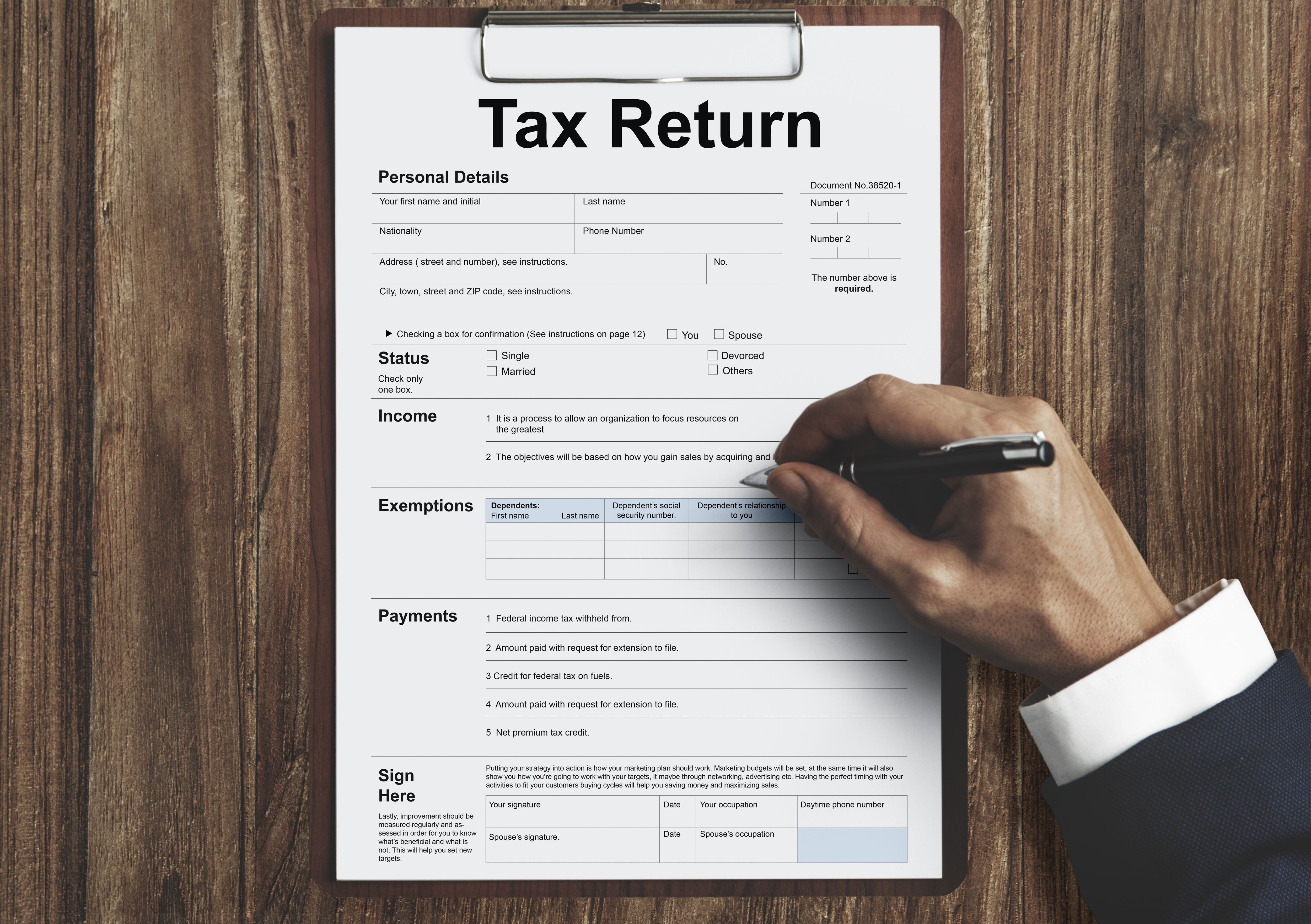
Step 1 — Get organized (1–3 days)
Collect W-2s, 1099s, bank records, and any prior returns you can find. If you don’t have originals:
- Request wage & income transcripts from the IRS (Get Transcript online).
- Pull bank/PayPal/credit card records for taxable activity.
Why: accurate numbers speed filing and reduce risk of mismatches that trigger notices or audits. (IRS: file past-due returns same way as on-time returns). IRS
Step 2 — File the returns (now — don’t wait)
File each missing return the same way you would file on time. If you expect a refund for any year, file quickly — refunds are typically forfeited if you don’t file within three years of the original due date. IRS
How to file:
- Use the correct year’s tax forms (IRS forms archive). IRS
- If comfortable, file electronically for recent years (some providers allow e-filing of prior-year returns). Otherwise, mail the completed returns to the address on the form instructions.
Step 3 — If you owe tax: don’t ignore payment options
If you can’t pay the full balance, file the return anyway and then choose a payment path:
- Short-term payment — pay as much as possible to reduce interest and penalties.
B. Installment Agreement (monthly payments) — apply online or by submitting Form 9465; the IRS will often approve plans for balances under certain thresholds and you can lower monthly strain. IRS
C. Offer in Compromise (OIC) — if you genuinely can’t pay, submit Form 656 and supporting financial statements; OIC is strict and has fees, but it can settle debts for less than owed. IRS+1
Step 4 — Ask for penalty relief if eligible
There are three common routes:
- First-Time Penalty Abatement (FTA) — for qualifying taxpayers with a clean recent penalty record; an easy win if eligible. The IRS may increasingly automate this relief in 2026 — check current policy. IRS+1
- Reasonable-Cause Penalty Relief — if circumstances beyond your control prevented timely filing/payment (serious illness, natural disaster, death in the family, or other qualifying events), the IRS may abate penalties. You must document the facts and show you acted in good faith. IRS+1
- Statutory exceptions / administrative waiver — in limited cases, special rules apply (e.g., disaster relief, certain government delays). IRS
How to request: follow instructions on the IRS penalty relief pages or call the number on an IRS notice; a tax professional can request abatement on your behalf. IRS+1
Step 5 — What to expect after filing & how to respond to IRS notices
- Interest and penalties still accrue until you pay or enter a plan — which is why paying as much as possible helps. IRS
- If you receive notices: read carefully, don’t ignore them. Follow the instructions, or call the IRS using the number on the notice or consult your tax professional. IRS
- If audited: stay organized, supply documentation requested, and seek professional help.
Sample “Reasonable Cause” letter
[Your name]
[Your address]
[Taxpayer ID: SSN/ITIN]
[Date]
Internal Revenue Service
[Address from the notice]
Re: Request for Penalty Abatement — Reasonable Cause for Late Filing for tax year(s) [YYYY]
To Whom It May Concern,
I respectfully request abatement of the following penalties assessed for tax year(s) [YYYY]: [list penalty codes or notice numbers]. I failed to file/pay on time due to [brief factual explanation — e.g., hospitalization, death in immediate family, natural disaster, identity theft, or other specific reason]. I have attached supporting documentation: [hospital records, death certificate, insurance claim, police report, etc.].
I attempted to comply with my tax obligations and acted in good faith. As soon as I was able, I filed the missing return(s) and/or paid [amount] or set up a payment plan on [date]. I respectfully request that the penalties be abated under the reasonable-cause provisions.
Thank you for your consideration.
Sincerely,
[Signature]
[Printed name]
[Daytime phone & email]
Attach: documentation that supports your claim (hospital records, insurance claims, letters, transcripts).
(Adapt the letter to your facts; attaching evidence is essential.) IRS
Timeline & priorities — what to do first
- File any returns that are due now (even if you can’t pay). IRS
- Pay what you can today to reduce interest/penalties. IRS
- Request a payment plan (Form 9465) if you can’t pay in full. IRS
- Request penalty relief (FTA or reasonable cause) if you qualify — collect supporting docs before you call or write. IRS+1
- If extreme hardship, consider Offer in Compromise (Form 656) after reviewing eligibility and costs. IRS
Common pitfalls to avoid
- Don’t ignore IRS notices — they escalate collection actions. IRS
- Don’t use “I meant to file later” as your reason — reasonable cause requires concrete, documented hardship. IRS
- Don’t sign an Offer in Compromise without professional review — OICs have fees and strict documentation. IRS
When to get professional help
Consider hiring a tax pro if:
- Multiple years are unfiled and tax calculations are complex.
- The IRS has started collections (levy, lien) or sent a CP90/CP91.
- You want an Offer in Compromise or need to prepare a detailed reasonable-cause package.
Tax professionals can call the IRS on your behalf and help ensure paperwork and evidence are presented correctly.
Useful IRS forms & pages (link these from your blog) - Filing past-due returns: IRS filing past due returns guidance. IRS
- Failure-to-file penalty: IRS failure-to-file penalty page. IRS
- Penalty relief / abatement types: IRS penalty relief information. IRS
- Reasonable cause penalty relief: IRS reasonable cause page. IRS
- Installment Agreement (Form 9465): IRS Form 9465 page. IRS
- Offer in Compromise (Form 656): IRS Offer in Compromise page + Form 656 booklet. IRS+1
0 Comments
Post a comment