
- 29 Jan, 2026
-
 by Emily Rhodes
- Business
- 0 Comments
Key Tax Provisions to Know
Recent legislation has introduced changes that affect deductions, credits, and other tax-related opportunities. The IRS outlines these in detail under the One Big Beautiful Bill provisions. Some of the notable updates include:
- Income Threshold Adjustments: Changes in the income ranges for certain credits and deductions can increase eligibility for some taxpayers.
- Retirement Contributions: Modifications in limits for 401(k)s, IRAs, and other retirement accounts may allow individuals to contribute more, helping both current tax planning and long-term savings.
- Energy-Related Tax Credits: The bill expanded certain credits for energy-efficient home improvements and electric vehicle purchases, providing additional avenues for taxpayers to reduce their liability.
Understanding these changes ensures that you take advantage of available benefits and avoid missing opportunities that could lower your tax burden. The IRS encourages taxpayers to review these provisions carefully to understand eligibility and requirements.
Maximizing Deductions and Credits
Taxpayers can reduce their tax liability through deductions and credits. While deductions lower taxable income, credits directly reduce the amount owed. The IRS provides extensive resources on these opportunities. Some key areas include:
- Earned Income Tax Credit (EITC): Designed for low- to moderate-income workers, this credit can significantly reduce tax owed and may result in a refund. Detailed eligibility rules are available on the IRS EITC page.
- Child Tax Credit: Families may qualify for a credit for each dependent child under certain age limits. The IRS provides guidance on amounts and eligibility here.
- Education Credits: Taxpayers paying for higher education can claim credits such as the American Opportunity Credit or the Lifetime Learning Credit. Full details are available here.
Keeping detailed records and consulting IRS guidance ensures you claim all benefits you qualify for and remain compliant with tax laws.

Preventing Tax Scams and Fraud
Tax-related fraud has become increasingly sophisticated. The IRS warns taxpayers to remain vigilant and provides clear steps to avoid scams. Common tactics include:
- Phishing Emails and Fake IRS Communications: Scammers may send emails or make calls claiming to be the IRS, threatening penalties, or requesting personal information. The IRS never initiates contact by email or phone to demand immediate payment. Learn more about avoiding these scams on the IRS tax scams page.
- Identity Theft: Fraudsters may use stolen personal information to file false tax returns. Taxpayers can obtain an Identity Protection PIN to help secure their filings.
- Unqualified Preparers: Using unauthorized tax preparers can result in mistakes or fraud. The IRS recommends verifying preparers’ credentials and using only reputable professionals.
Remaining proactive and cautious is critical to avoid financial loss and maintain compliance.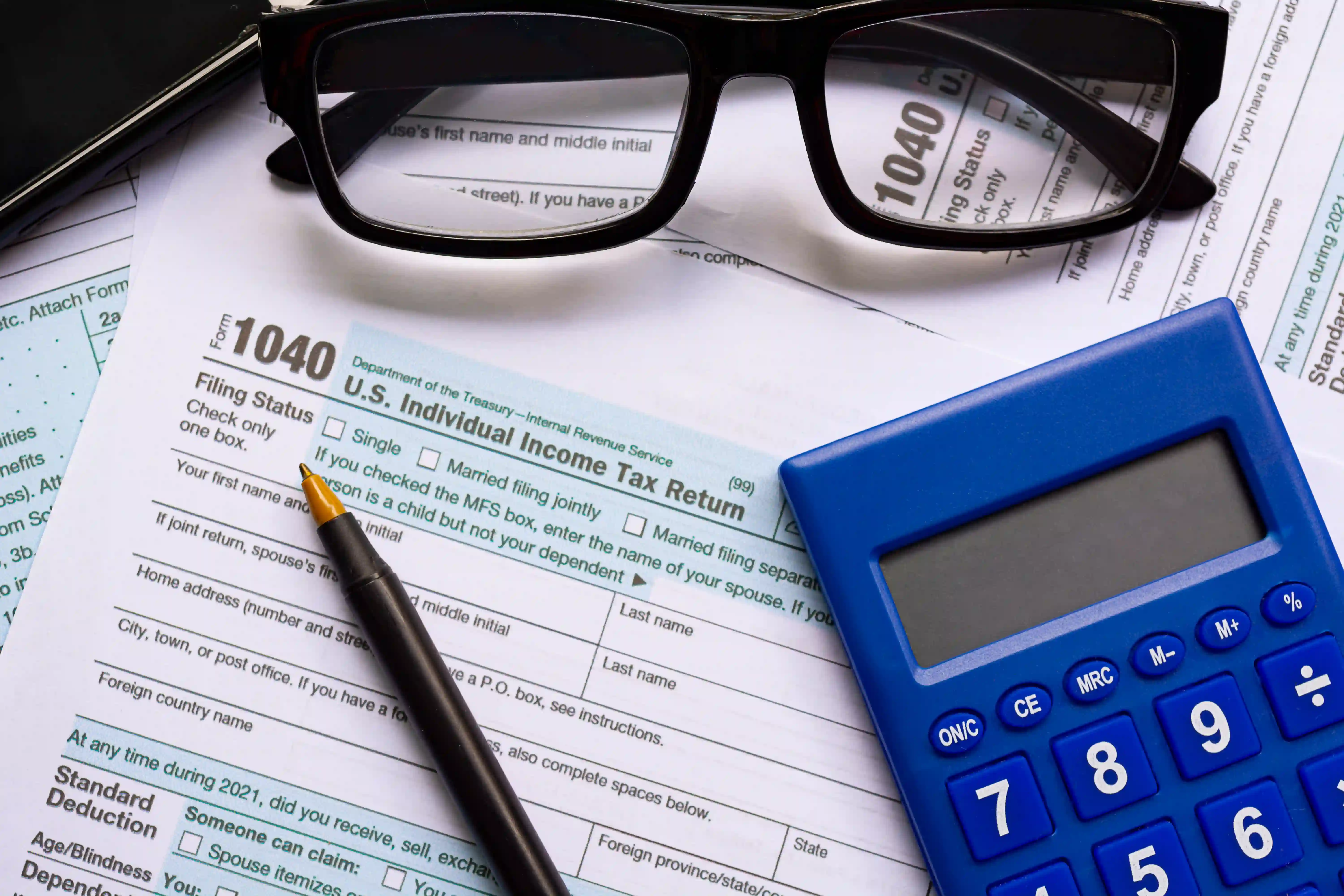
Using IRS Resources Effectively
The IRS offers extensive online resources that provide detailed explanations, calculators, and tools to guide taxpayers. Key resources include:
- IRS Newsroom Updates; for recent legislative and procedural changes.
- Credits and Deductions; for comprehensive information on eligibility and filing requirements.
- Taxpayer Assistance; for personalized guidance from IRS representatives.
Regularly consulting these resources can help taxpayers understand changes, avoid errors, and claim all eligible benefits.
Conclusion
Tax planning and compliance require attention to detail, awareness of changing laws, and vigilance against scams. By understanding recent tax provisions, claiming eligible credits and deductions, and using IRS resources for guidance, taxpayers can protect their finances and make informed decisions. Staying informed is not only a way to maximize tax benefits but also a critical measure against fraud. For reliable information, always consult IRS.gov and avoid unofficial sources.
0 Comments
Post a comment